
The History of Kapnikos
From “O Topos Mou” to Kapnikos Stathmos: how a citizens’ initiative grew into a living hub of solidarity, culture, and action in Katerini.
Kapnikos Stathmos Katerini started as a genuine citizens’ response to serious challenges of the local community: environmental crisis and socioeconomic crisis.
In 2007, after the wildfires that shook the country, a group of people in Katerini began organizing informally under the name “O Topos Mou” — My Place. They weren’t a formal organization and they didn’t try to become one. They were neighbors who believed that protecting the environment and protecting people are part of the same responsibility — and that local communities can’t wait for “someone else” to act.
Their first big activity was “Giving a Day of My Summer to the Forest”: volunteer observation shifts focused on fire prevention around Mount Olympus. It was simple, practical, and it worked. Over time it became a local tradition, building a culture of participation and trust: people showed up, took shifts, and stayed consistent, year after year, because the forest is part of everyone’s life and should be everyone’s responsibility, too.
After the catastrophic consequences of the financial crisis deepened, the same group was forced to turn to everyday survival issues. They helped organize direct markets without intermediaries, connecting producers and households in a fair way when prices were rising and trust in institutions was collapsing. The point was not only cheaper food — it was a different kind of relationship: transparency, fairness, and community coordination that supported both farmers and families.
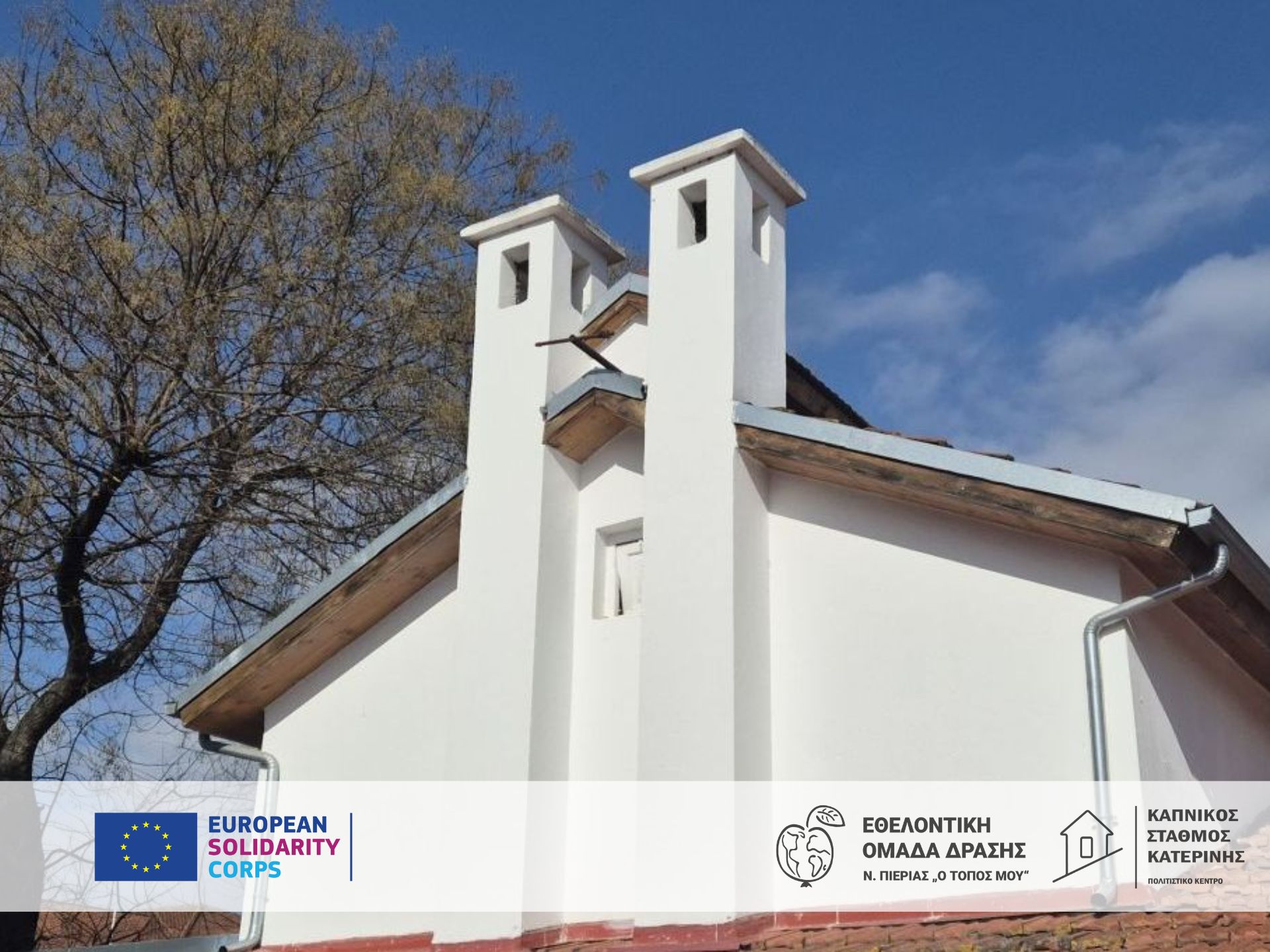
By 2013, it was clear that solidarity work needed a stable base and storing spaces. The historic abandoned tobacco research facility in Katerini became that base — and with a lot of hard work gradually turned into Kapnikos Stathmos: a space where social support, cultural life, volunteering, and humanitarian response could live under one roof. The place was cleaned, repaired, and brought back to life collectively, with local support and a lot of hands-on work – claiming hazardous public space and transforming it into a jewel for the community.
From there, initiatives grew: the Social Goods Distribution, the Social Pharmacy, the Solidarity Christmas Village, and a logistics capacity that proved essential during the refugee crisis and later emergencies. Moreover, educational and cultural events, music, theater and everything else a living community needs access to. Across all of them, the same idea stayed central: solidarity should protect dignity and create participation, not dependency.
In 2019, the initiative took a formal shape as Kapnikos Stathmos Katerini AMKE, to secure stability and keep the work sustainable — without losing its grassroots character. This also opened new space for structured partnerships and European cooperation, including volunteering and youth projects.
Today, Kapnikos Stathmos remains community-rooted: a place where solidarity is not a slogan, but something that happens through real work, shared responsibility, and everyday participation.